

Backend Keywords Aren’t Magic
Why Amazon Doesn’t Reward Hidden Metadata Unless the Signals Already Make Sense
It’s easy to assume backend keywords hold some hidden power on Amazon. Many authors fill all seven slots with the strongest phrases they can think of, expecting an immediate boost in visibility. It feels logical. It feels strategic. And it feels like the kind of thing Amazon should reward.
But then nothing happens.
Impressions stay flat.
Search placement barely shifts.
The book doesn’t move.
Here’s the part that catches most authors off guard: the backend keywords aren’t “wrong.” They’re simply not capable of doing what many people expect them to do. This moment is where many authors discover a truth that feels almost disappointing at first:
Backend keywords aren’t magic.
They can’t fix weak signals. Nor can they override the parts of your metadata that matter more.
Amazon doesn’t reward keywords in isolation. It rewards clarity across the entire structure.
Why This Matters for Authors Who Want Real Visibility

There’s a persistent myth in the publishing world that backend keywords are a secret weapon — that if you choose the perfect seven phrases, your visibility will rise on autopilot.
But Amazon doesn’t behave that way.
Backend keywords only work when the rest of your book’s signals already make sense. If your cover suggests one genre, your categories another, and your description something else entirely, no keyword can repair that confusion.
Backend keywords support strong positioning. They do not create it.
For authors who want long-term traction, this clarity is essential. Your visibility depends on how confidently Amazon can match your book to the right reader, and backend keywords are only a small part of that matching process.
What Backend Keywords Actually Do
Backend keywords help Amazon fill gaps. They point to themes, topics, or reader pathways that aren’t obvious from your visible metadata.
They’re useful for:
alternate phrasing
niche topics
related search terms
audience nuances
supportive signals
What they don’t do is override:
genre signals from your cover
the clarity of your subtitle
the strength of your description
the accuracy of your categories
the consistency of your tone and promise
Backend keywords are helpers, not leaders. They reinforce the structure, but they cannot carry it.
This is why books with weak alignment rarely gain visibility even with perfect backend phrases.
Why Backend Keywords Fail (Even When They’re “Correct”)
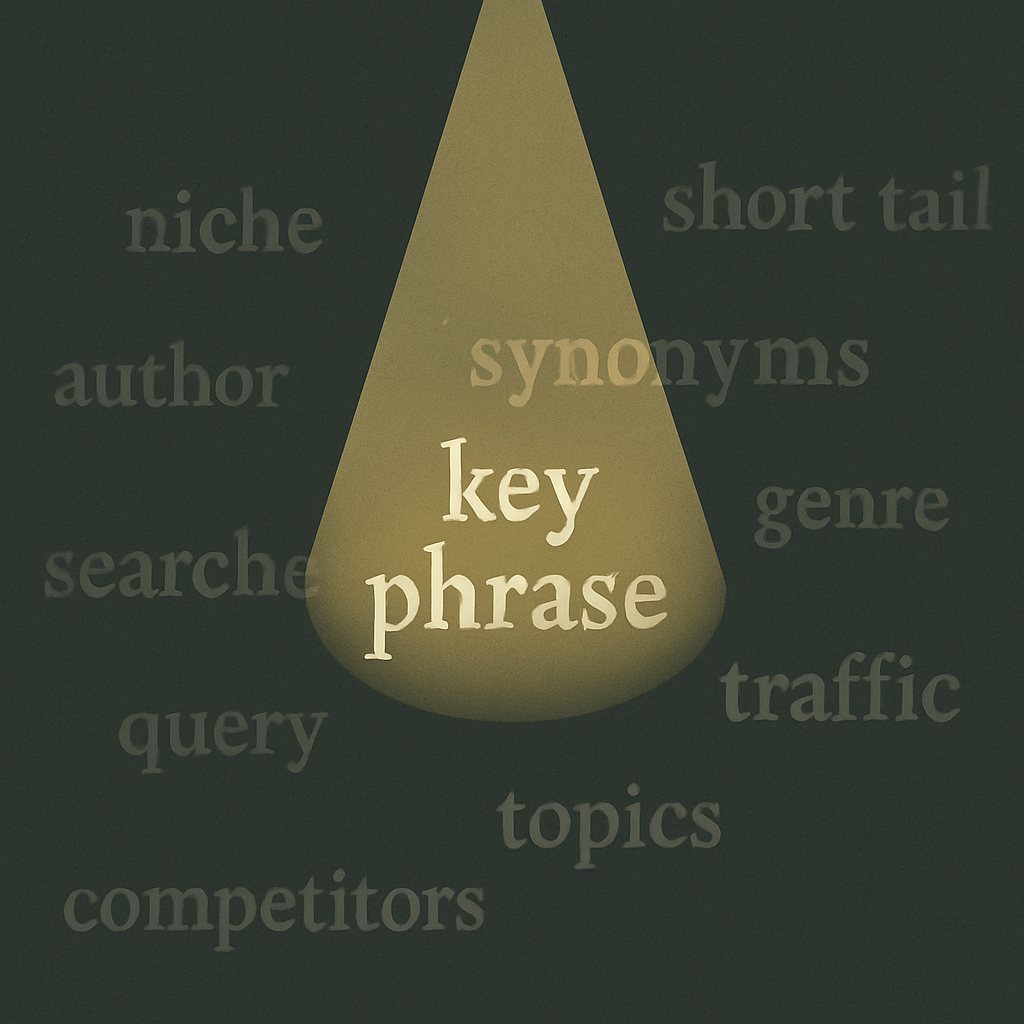
Backend keywords fall apart when they:
compete with your visible keywords
send mixed messages to the algorithm
attract the wrong reader type
contradict your cover or description
reflect author intention instead of reader behavior
When backend keywords don’t agree with the rest of your metadata, Amazon doesn’t trust the book’s positioning. And without trust, it shows the book less.
Not because the book is flawed but because the signals are inconsistent.
How to Use Backend Keywords the Smart Way
You don’t need a magic list of backend keywords. You need alignment.
Focus on supporting the signals that already represent your book well:
reinforce your genre
support your primary keywords
reflect your themes
mirror real search intent
follow the language readers use, not the language you prefer
Backend keywords should be quiet confirmations of who your reader is, not loud attempts to force visibility.
When they match the rest of your metadata, they strengthen your structure. When they contradict it, visibility breaks down.
The power of backend keywords doesn’t come from clever phrasing but from clarity.
Final Thought
Backend keywords aren’t magic because Amazon doesn’t reward shortcuts. It rewards coherence.
When your cover, categories, description, and audience signals are aligned, backend keywords help the algorithm fill in the final pieces of the picture. They support discoverability rather than creating it.
If you want visibility that lasts, start with strong structural signals — then let your backend keywords reinforce the clarity you’ve already built.
Your book doesn’t need magic. It needs alignment.