

The Library Problem
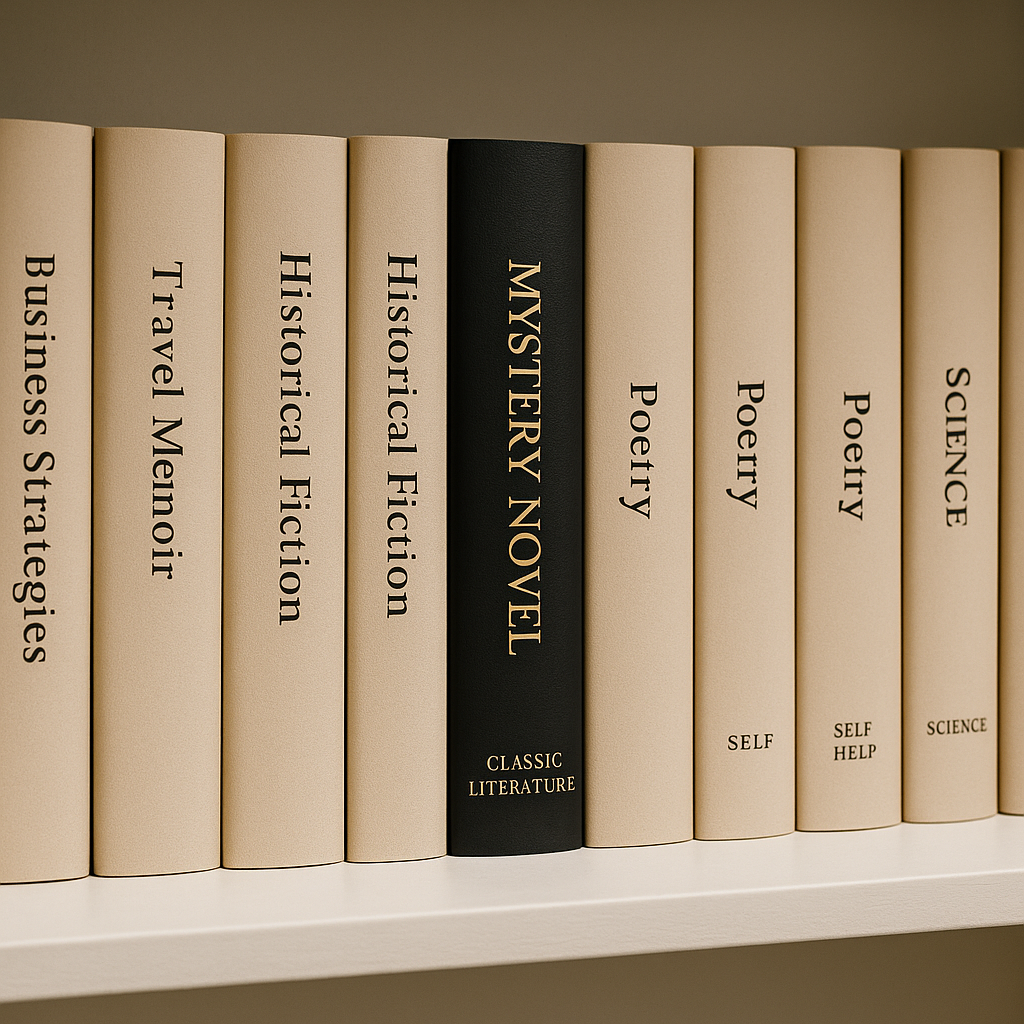
Why Amazon Sometimes Shelves Your Book in the Wrong Section
and How That One Mistake Quietly Wrecks Your Discoverability
Let me tell you something strange that happens inside Amazon’s system.
It is not dramatic. Not obvious. Yet it affects more authors than almost anything else in the metadata world.
Your book can be perfectly written, beautifully designed, and thoughtfully positioned. But if Amazon places it in the wrong section of its digital library, everything else begins to unravel.
Not loudly or suddenly. It happen quietly. That is what makes this problem so dangerous.
When Amazon Thinks It Understands Your Book… But It Really Doesn’t
I was reviewing a client’s catalogue not long ago. I typed her title into Amazon expecting to see it where any reasonable reader would expect it to be. Instead, I found it sitting in a completely different category.
This was not a gentle misplacement. It was a total mismatch.
Nothing on the outside looked broken. Her metadata was filled. Her categories were allowed. Her description seemed thoughtful. Even her early traffic looked normal.
Yet every piece of this data told Amazon a different story about who the book was for. And Amazon did what Amazon always does when signals contradict each other. It guessed.
And like most guesses, it was wrong.
Why Being Shelved in the Wrong Section Hurts More Than You Think
Amazon is not a human bookseller who glances at your cover and immediately knows your genre. It is a machine learning system. Everything it decides is based on patterns.
When your signals do not agree, Amazon does not wait for clarity. It shelves your book in the closest section it thinks makes sense.
Once that happens, you are suddenly dealing with the wrong audience. The wrong audience behaves in predictable, damaging ways.
They click out faster.
They do not buy.
They do not preview.
They do not stay.
That quick bounce tells Amazon that your book is not a good fit for the audience who found it. The system interprets this as a quality issue rather than a placement issue.
Slowly, your discoverability drops.
How Misplacement Turns Into a Complete Breakdown of Visibility
Mis-shelving starts as a small mistake. However, it sets off a chain reaction that affects every part of your visibility.
Readers Bounce Because They Expected Something Else
Bounce is the strongest negative signal Amazon tracks. It tells the system that readers felt misled.
Bounce Weakens Trust
When Amazon does not trust that your book matches reader searches, it lowers your visibility in search and browse results.
Lower Trust Means Fewer Impressions
Your book stops appearing in competitive spaces. New readers never see it.
Also-Boughts Become Scattered
Once the wrong readers keep interacting with your book, Amazon starts building an identity for your title that has nothing to do with what you wrote.
Recommendations Fade Out
You are no longer routed into strong reader pathways. You literally become a digital orphan.
It is not a punishment but a misunderstanding that keeps compounding until your book disappears from the ecosystems where it should have thrived.
How Amazon Accidentally Mis-Shelves Your Book in the First Place
This part always surprises authors. Misplacement is almost never caused by one glaring mistake. It comes from small inconsistencies that add up.
Here is where it usually starts:
• A cover that signals one genre while the description suggests another
• Keywords that promise a different experience than the book delivers
• Categories chosen for low competition rather than accuracy
• Traffic coming from unrelated audiences
• Metadata that mixes two or three potential readers instead of committing to one
• Also-boughts formed from mismatched early clicks
Amazon is not punishing you. It is interpreting the signals it receives. When those signals point in different directions, the system places your book wherever the patterns seem closest.
Unfortunately, the closest pattern is rarely the correct one.
How You Prevent The Library Problem Without Guessing or Overthinking
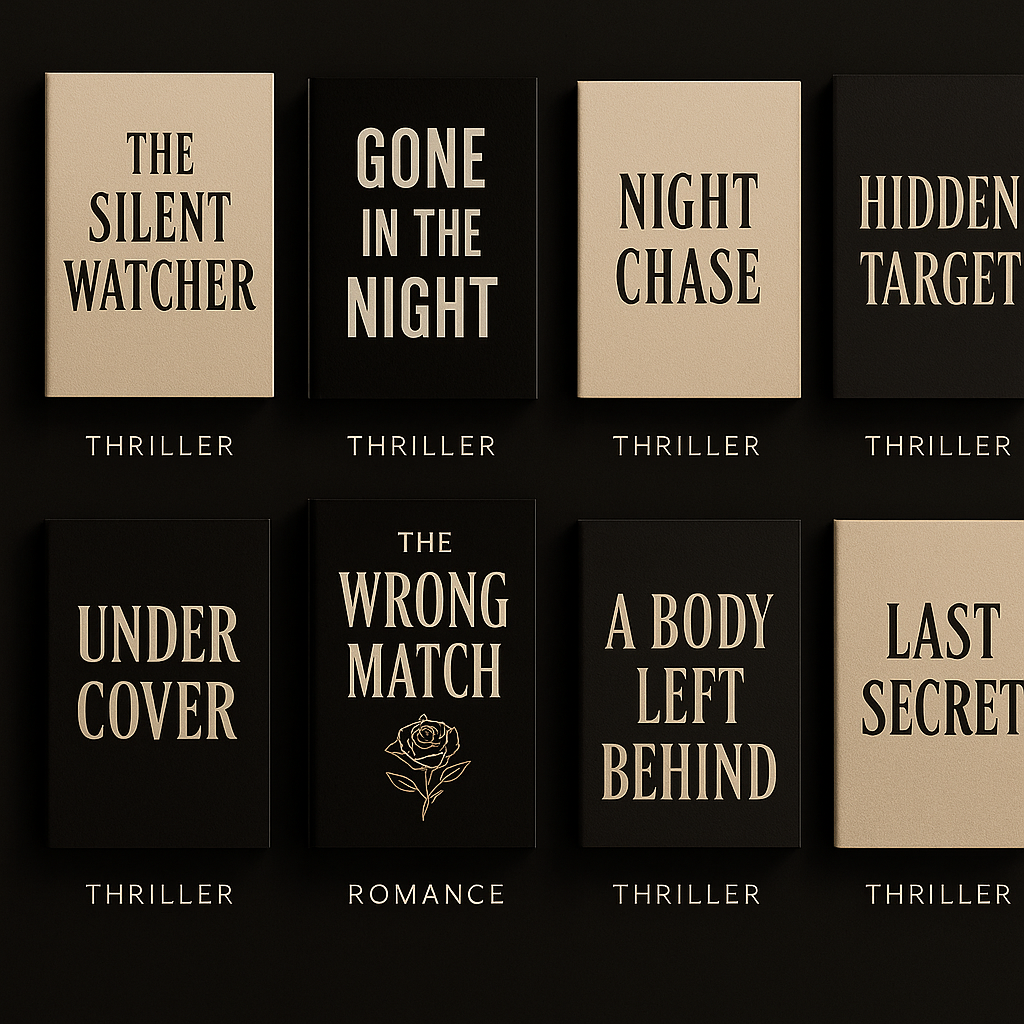
The solution is not complicated. It is simply structural clarity.
Start with a single question. Who is the reader who will actually love this book?
Once that is clear, every decision you make should support that reader’s pathway.
• Use keywords that match how that reader actually searches
• Choose categories that describe where that reader naturally browses
• Write a description that reinforces the expectations that reader already carries
• Make sure your cover matches the visual language of that reader’s genre
• Keep your metadata signals pointed in one direction, not two or three
You are not trying to make your book appeal to everyone. You are trying to help Amazon understand exactly who it belongs with.
When that alignment is strong, the system shelves your book correctly. Once it is placed in the right section, discoverability becomes far easier.
A Closing Thought
The Library Problem is rarely dramatic. It does not announce itself. It does not come with warnings. Your book simply gets shelved in the wrong place, and from that moment on, every interaction happens with the wrong audience.
The moment your signals become clear, Amazon recalibrates. You stop floating between identities. Your book finds its true ecosystem. Visibility stops feeling like a fight.
Being discoverable is not about shouting. It is about being placed where your readers already are.
Get the shelving right, and the rest begins to fall into place.