

IngramSpark Royalties Explained
Why the Payout Is Smaller (But the Opportunity Is Bigger)
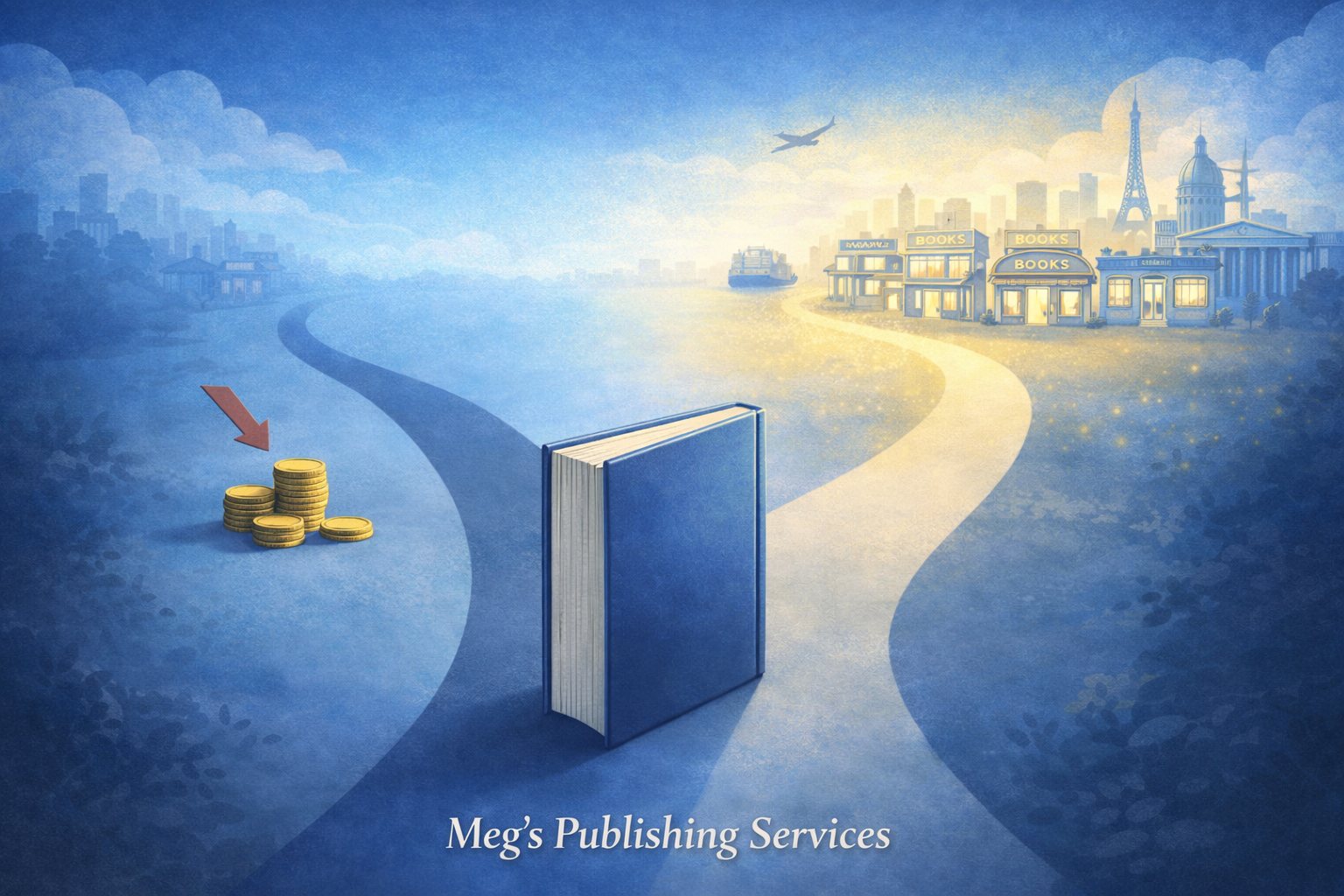
Authors often panic the first time they look at IngramSpark royalties. The numbers feel smaller than what they see on Amazon, and the immediate reaction is to assume something is wrong.
Nothing is wrong.
IngramSpark is not designed to maximize per-sale payout. It is designed to unlock markets that operate on entirely different economics.
Retailer Discounts Are Built Into the System
Bookstores and many libraries do not buy books at retail price. They buy at wholesale, using standard trade discounts that usually fall between 35% and 55%.
This discount is not optional decoration. It is how physical retailers cover rent, staff, inventory risk, and unsold books.
IngramSpark supports this model because it serves the book trade. When authors enable these discounts, they are not “giving money away.” They are making their books viable inside a system that already exists.
Print Costs Are Subtracted Before You See Anything
IngramSpark royalties are calculated after print costs are deducted. Those print costs are typically higher than KDP’s because Ingram operates with trade-grade specifications, broader trim options, and a global fulfillment network.
The math is simple but often misunderstood. Retail price minus retailer discount minus print cost equals the author’s payout.
Seeing the payout last, rather than first, is what makes the numbers feel discouraging.
Why Bookstores and Libraries Require These Terms
Bookstores and libraries do not operate on optimism. They operate on predictability.
They need:
Reliable wholesale pricing
Clear discount structures
The option to return unsold inventory
Confidence that the supply chain is stable
IngramSpark exists because these buyers need a system that protects them. When authors meet those expectations, their books become orderable in places Amazon does not prioritize.
Why Ingram Royalties Look Smaller on Paper
IngramSpark royalties look smaller because more parties are involved. The system supports retailers, distributors, printers, and logistics partners before the author is paid.
Amazon’s royalties look larger because Amazon controls the entire transaction and sells directly to the reader.
Comparing the two payouts without context is like comparing wholesale revenue to retail revenue. They serve different purposes.
How Smaller Royalties Can Still Mean Bigger Opportunity
IngramSpark is not about maximizing profit per copy. It is about expanding where the book can go.
That expansion includes:
Independent bookstores
Chain bookstores
Libraries
Schools and institutions
International markets
In many cases, the value comes from volume, visibility, credibility, and access rather than per-unit margin.
For some authors, a smaller payout paired with broader reach creates more long-term value than higher royalties locked inside one platform.
When IngramSpark Royalties Make Sense
IngramSpark’s economics make sense when:
Physical bookstore presence matters
Libraries or schools are part of the goal
Hardcover or large print formats are involved
International trade access is important
The book supports a broader brand or business
When those goals are not present, the costs can feel unnecessary.
Final Thought
IngramSpark royalties are not disappointing once you understand what they are paying for. They reflect trade economics, not self-publishing convenience.
Smaller payouts do not always mean smaller opportunity. They often mean wider doors.
If you want help deciding whether IngramSpark’s royalty structure aligns with your goals or whether another setup makes more sense, Meg’s Publishing Services helps authors evaluate publishing decisions based on strategy, not surprise.
Understanding the money is how authors stop guessing and start building sustainably.